


Customer churn is a silent assassin of businesses. Losing customers means losing revenue, momentum, and sometimes your competitive edge. Traditional metrics—like purchase history, support tickets, and usage patterns—only tell part of the story. Artificial intelligence (AI) is here to fill in the gaps and see what others can’t.
Why Does AI Make All the Difference?
With AI, predicting customer churn has become smarter, deeper, and more proactive. AI uses big data, Machine Learning (ML), and behavior analysis to identify hidden signs of churn. It can even spot emotional sentiment or irregular habits, which usually signals dissatisfaction before customers leave.
According toFireworks, a 5% increase in customer retention can boost profits by 25% to 95%. Predicting customer churn is a top priority for any growth-minded business.
Beyond Traditional Metrics
Speaking of customer churn, there are new and successful methods that go beyond traditional ones. Yes, you guessed it. It’s AI. According to Pecan AI, a 310% revenue increase per customer is possible thanks to predictive AI.

Let’s dive into how AI is revolutionizing this space.
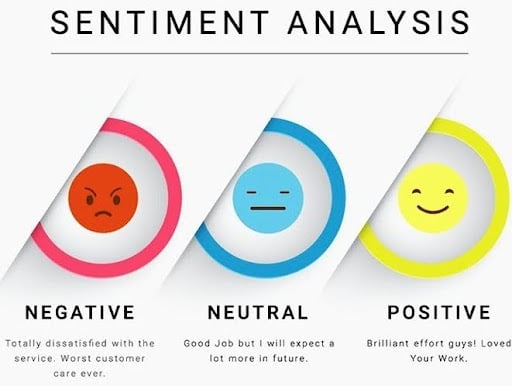
1. Analyzing Customer Sentiment
AI can scan emails, support tickets, and social media posts. It understands the tone, mood, and emotion behind the words. This helps brands spot frustrated customers before they churn.
Tools like MonkeyLearn and IBM Watson can perform sentiment analysis at scale. For example, if a customer starts using more negative language in support emails, AI can flag them for outreach.
This early alert system can save accounts that would have slipped away unnoticed. It helps build stronger, more human relationships with users. Businesses can intervene faster, improving satisfaction and trust. Even small word choices or tone changes can reveal churn risks before taking explicit action.
Example: Airbnb uses sentiment analysis to test feedback across many channels. This enables their support team to act on dissatisfaction trends early. It’s like giving your brand emotional intelligence at scale.
2. Monitoring Micro-Behaviors
Traditional metrics track big movements—like login frequency or order history. AI goes deeper.
It watches micro-behaviors:
- How long someone hovers over a button
- How quickly they scroll past a feature
- Did they stop watching videos halfway
These tiny signals matter.
AI platforms like Mixpanel and FullStory turn these behaviors into churn predictions. Over time, these insights shape better product design and customer journeys. By identifying friction points, teams can improve experiences and reduce churn risk. These minor tweaks often lead to significant improvements in user satisfaction.
Example: Netflix evaluates watch behavior down to the second. If users stop watching halfway or skip intros repeatedly, there’s a problem. AI analyzes that behavior to improve user recommendations—and reduce churn.
3. Combining Structured and Unstructured Data
Structured data—such as age, location, and product usage—is easy to analyze. But most real insights live in unstructured data, like chat logs, reviews, and open text fields.
AI can merge both data types. It pulls patterns from places traditional analytics can’t.
This gives a 360-degree view of the customer, boosting accuracy in predicting customer churn. It turns even messy data into meaningful insights. Businesses gain a clearer view of what customers want and why they leave. More context means more informed decisions.
Example: Spotify combines streaming data (structured) with user reviews and support messages (unstructured). This combination helps personalize suggestions and preempt churn. The hybrid model also helps predict risk better than either data type alone.
4. Real-Time Churn Alerts
AI doesn’t sleep. It monitors user actions in real time.
AI can trigger alerts immediately if a customer suddenly starts skipping key features or stops engaging. This gives customer support a chance to act fast.
Real-time churn predictions let you react before the damage happens. It’s a game-changer for customer success teams. AI can integrate these alerts into CRM tools for even faster response times. Being proactive beats being reactive every time.
Telecom companies like Vodafone use real-time AI monitoring to detect early churn signals. These alerts allow teams to reach out with offers or fixes before users jump ship. Real-time insights equal real-time action.
5. Predicting Future Behavior with Machine Learning
AI doesn’t just explain the past. It predicts the future.
ML models train on historical data to forecast who might churn next. These models get smarter over time. They adapt to new trends, seasonality, and even economic shifts. This ensures your churn predictions stay accurate as things change.
Companies can proactively design retention plans before problems escalate. ML makes your strategy agile and forward-looking.
Example: Amazon Web Services (AWS) uses predictive models to check client engagement. These predictive models can also anticipate when a business might reduce or cancel its cloud service plan. This proactive approach improves retention planning.
6. Managing Threat Exposure
Traditional customer churn models typically focus on satisfaction scores and usage patterns. Yet, AI systems can now incorporate risk-related factors that indirectly influence customer retention. This more comprehensive approach recognizes that cybersecurity concerns increasingly drive business decisions.
AI algorithms can now detect correlations between security incidents, publicized vulnerabilities, and subsequent customer churn. This is especially true in industries with high data protection requirements.
Companies that demonstrate robust exposure management practices through rapid patching and transparent security communications tend to maintain higher customer confidence during industry-wide security events, resulting in more stable retention rates than competitors with less visible security postures.
Example: Cymulate uses the exposure management approach, which is the systematic process that helps identify, assess, and mitigate potential security vulnerabilities across an organization’s digital footprint. This has emerged as a relevant factor in customer retention analysis.
7. Personalizing Customer Retention Strategies
AI can create personalized retention plans for each customer.
Let’s say one user responds well to discounts while another prefers better customer service. AI learns these preferences and automates tailored solutions.
This level of personalization increases the chance of winning back at-risk customers. It also boosts brand loyalty. Customers feel seen, heard, and valued on an individual level. Over time, this builds long-term relationships, not just short-term wins. Chatbot app development can enhance these personalized interactions even further by providing instant support and tailored recommendations.
Example: Sephora leverages personalization engines to send loyalty rewards and custom messages based on user behavior and churn risk. This keeps its top customers engaged and loyal.
8. Spotting Changes in Payment Behavior
Payment delays or canceled auto-renewals often signal dissatisfaction.
AI can spot these patterns early. It can also compare them against historical trends to identify anomalies.
With this info, brands can send reminders, incentives, or re-engagement offers before it’s too late. It adds a safety net around revenue and helps catch at-risk customers quietly slipping away. Financial behavior speaks volumes when analyzed correctly.
Example: Subscription-based platforms like Adobe monitor credit card expirations, skipped renewals, and downgrade patterns to flag potential churn. These early alerts help sales teams reach out with incentives or solutions.
9. Understanding App and Website Navigation Patterns
If users are suddenly taking longer routes through your app or abandoning steps, something’s wrong.
AI tools track navigation behavior to flag friction points. For example, a form is confusing, or a feature is no longer intuitive.
This feedback helps User Experience (UX) teams make improvements that reduce churn. It creates a smoother, more enjoyable experience. Less friction equals more loyalty, and better UX always pays off in retention.
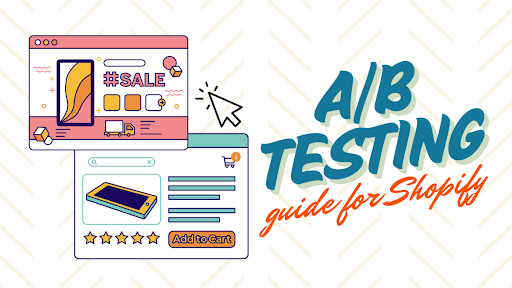
Example: E-commerce platforms like Shopify use these insights to A/B test new flows. Removing friction often leads to higher conversions—and less churn.
10. Automating Customer Feedback Analysis
Manual survey analysis takes forever—and is often shallow.
AI reads thousands of survey responses instantly. It spots themes and trends in feedback.
By automating feedback analysis, companies stay connected to real customer issues. They gain quick, actionable insights into pain points. This enables smarter churn prevention strategies and keeps the customer voice central to decision-making. It’s a way to scale empathy.
Example: Hotels like Marriott use AI to process post-stay surveys. They identify negative trends by property or service category and take quick action to improve. It’s scalable customer insight.
11. Predicting Churn from Social Media Activity
Social platforms are where customers vent frustrations.
AI tools like Brandwatch or Sprout Social monitor brand mentions and sentiment. If chatter turns negative, AI raises a red flag.
Catching churn signals in public channels allows brands to respond proactively. It shows customers that you’re listening. Quick, caring responses in public can also protect and enhance brand image. Social listening is now essential for retention.
Example: T-Mobile uses social listening to detect churn risks and respond quickly with solutions. Quick replies show customers they’re heard—often stopping churn before it starts.
12. Enhancing Human Decision-Making
AI doesn’t replace your team—it supercharges it.
Support reps, product managers, and marketers can use AI insights to make smarter decisions.
Instead of guessing, they act on data. That means fewer missed opportunities and more happy customers. AI becomes your secret weapon. Yet, humans will stay focused on the work that matters most. Together, they form the ultimate churn-fighting duo.
Example: At global retailers, AI-driven dashboards can analyze incoming support tickets and automatically recommend the highest-impact next steps—whether that’s a personalized follow-up email, a discount offer, or a product tutorial. This guidance helps agents resolve issues faster, tailor their outreach to each customer’s history, and ultimately boost satisfaction and loyalty.
Wrapping Up
Predicting customer churn beyond traditional metrics is a must—not a nice-to-have. AI opens new doors. It reads between the lines, spots subtle patterns, and personalizes responses. By combining emotional, behavioral, and transactional data, AI creates a complete picture of customer loyalty.
If you want to reduce churn, boost retention, and grow faster, use AI today. It’s the smartest move you can make for your business.
I feel that customers leave because of better value elsewhere. Just based on being satisfied or not is not enough…emotions are based on satisfaction