


Online shopping has grown in popularity. But the pandemic pushed it into an entirely new era of innovation, consumer behavior, and dependence.
As digital orders increased, brands raced to meet demand by offering faster delivery, flexible options, and incentives to remove friction from the buying process.
From same-day delivery to free shipping thresholds, customers now expect choices, and one perk consistently stands out. Free shipping.
It’s a simple offer with big psychological power, rooted in psychological factors, consumer motivation, and the consumer decision-making process. In this article, we’ll explore why it works so well and how you can use it to your advantage.
The Psychological Impact of Free Shipping on Customer Behavior
It’s well known that the word “free” is associated with added value and receiving something at no additional cost. But more than that, you can use it to overcome objections, reduce friction, and increase customer satisfaction.
Offering free shipping can be a simple, cost-effective way to drive sales, increase conversions, and reduce cart abandonment rates. Let’s take a closer look at how your customers experience the impact of free shipping through the lens of consumer behavior models, consumer attitudes, and behavioral data.
Perceived Value
The concept of free shipping taps into consumers’ perception of value. When customers see the words “free shipping,” it signals they can get something extra without additional cost, making the purchase more attractive.
Take inspiration from Hims and Hers, a telehealth company. For them, offering free shipping is a strategic move that aligns with their commitment to providing accessible, convenient healthcare solutions.
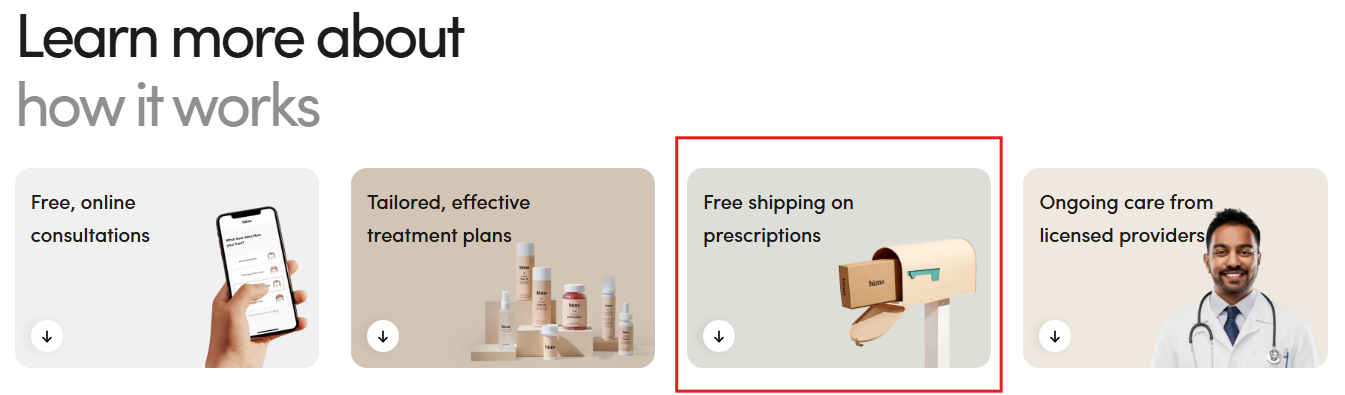
It enhances the perceived value of their products, shapes brand perception, and influences brand preference. It reduces barriers to entry for customers seeking telehealth services and wellness products.
This approach not only reflects consumer preferences but also contributes to their overall marketing strategies, ultimately driving customer engagement and loyalty. Building a strategy focused on customer loyalty and retention ensures that the value provided by free shipping translates into long-term brand commitment.
Reduced Friction
Shipping costs can often introduce friction in the buying process. Consumers may abandon their shopping carts if they feel shipping charges are too high. In fact, nearly half of online buyers report that unexpected shipping or extra costs drive them away before checkout.

Offering free shipping eliminates this barrier and streamlines the purchase decision, as the word “free” carries strong emotional weight for consumers. Combine it with “shipping,” and the customer’s excitement can lead them straight to checkout.
On its own, free shipping is a powerful marketing tool. Combined with Customer behavior analysis, customer journey mapping, data analysis tools, and predictive analytics, it becomes a strategic driver of conversions.
Loss Aversion
Customers dislike losses more than they like equivalent gains. By offering free shipping, brands avoid framing the purchase as a loss because of shipping fees, which could deter potential buyers.
By offering free shipping, brands avoid framing the purchase as a “loss” due to added fees, ultimately reducing friction and influencing consumer willingness to complete a purchase.
Mental Accounting
Shoppers tend to categorize costs mentally. When shipping is a separate expense, it’s mentally separated from the product’s price. Free shipping unifies the cost, making the purchase feel more economical.
The Benefits of Free Shipping
Here are some of the benefits of free shipping.
Increased Conversion Rates
Data is imperative to good decision-making. Without relevant customer data, there’s no way to understand their pain points, needs, and other key insights. In short, you can’t satisfy your customer if you don’t know your customer and you can’t know your customer without data. Therefore, data enrichment can help address this objective.

Businesses must collect and analyze data across multiple touchpoints to better understand customer behavior.
For this reason, software such as customer data platforms can seamlessly integrate data sources, enabling businesses to understand the full impact of offers, such as free shipping, on sales, returns, and customer loyalty. Effective customer profile managementis the foundation here, enabling you to segment audiences and offer free shipping only to those most likely to convert.
Having more complete data at your fingertips and the ability to fully understand it enables you to make better business decisions. Test, analyze, adjust. Rinse and repeat.
Doing this with accurate, useful data streamlines processes and improves conversions.
Higher Average Order Value
The allure of free shipping is irresistible. So much so that customers will add more items to their carts only to avoid the shipping costs (if there’s a minimum order limit for free shipping).
Think of it like this:
Angela is making a purchase of $45, but discovers that if she purchases $50 worth of items, she’ll qualify for free shipping. Otherwise, shipping will cost $8.99, bringing the total to $53.99 (before taxes).
She quickly does the math and realizes she can purchase an additional $9 item for the same price as her current purchase, including shipping. It’s like getting the additional item(s) for “free.”
It makes her buying decision easy – she can pay the same amount for one item and shipping or multiple items and free shipping. Of course, she’ll choose the latter.
This kind of psychological pricing is similar to how customers perceive value in insurance applications; they often seek to bundle services to maximize benefits without incurring extra costs.
Improved Customer Satisfaction
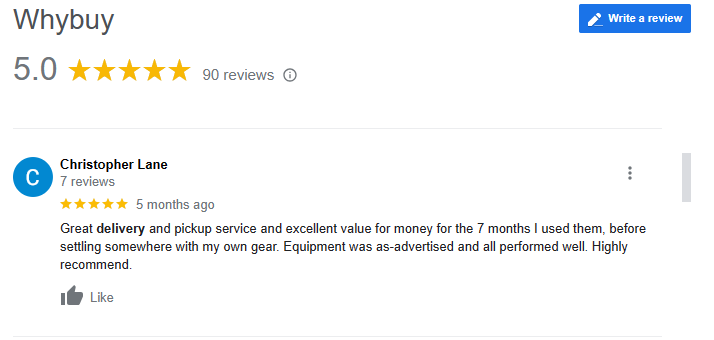
Free shipping enhances the overall shopping experience. Customers perceive it as a valuable benefit, which increases their satisfaction with the purchase.
Reduced Price Sensitivity
When shipping costs are eliminated, customers may be less price-sensitive. They can focus on the product’s price rather than calculating a total cost. This makes premium products like diamond tennis bracelets and engagement rings more accessible.
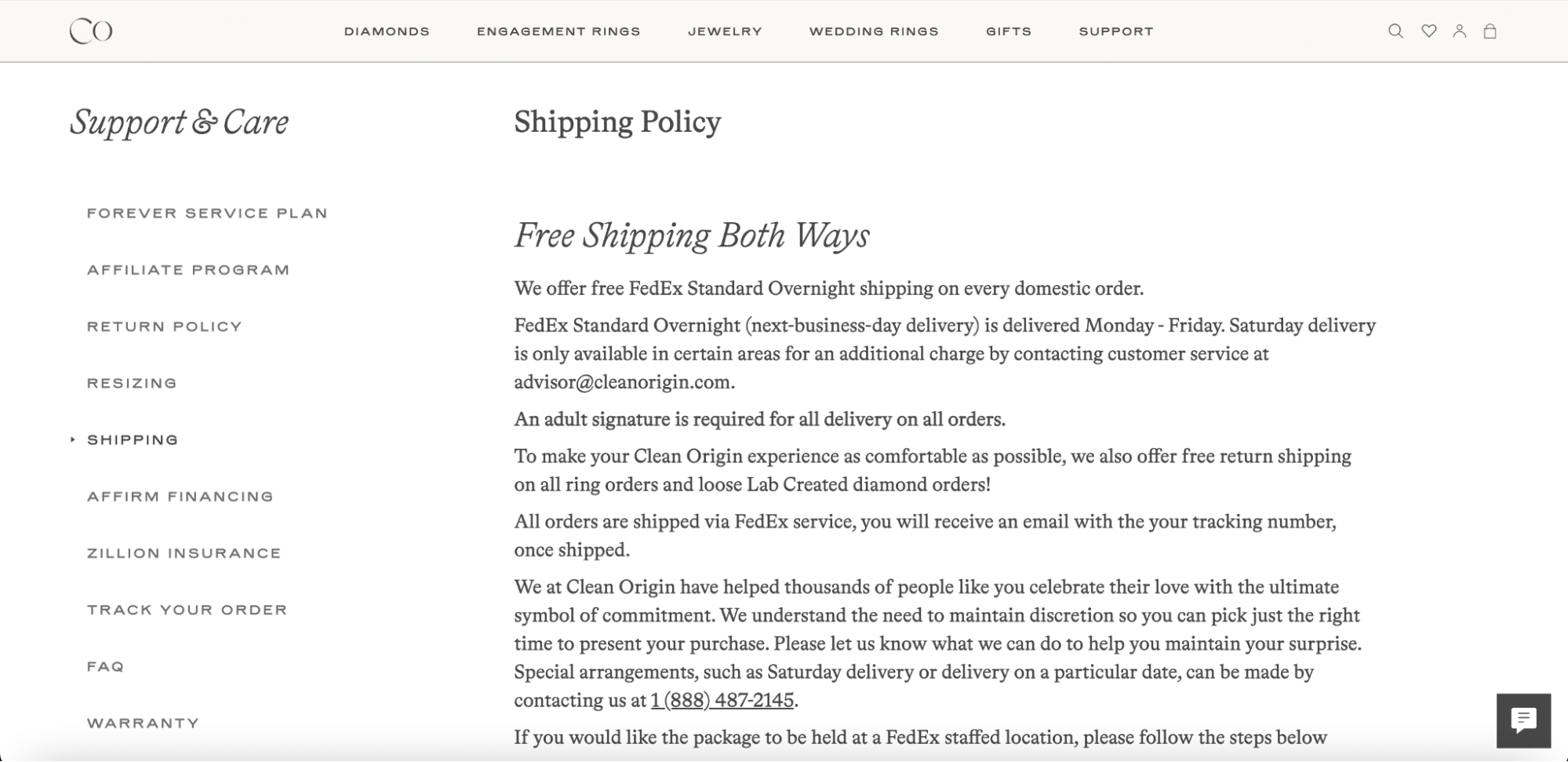
Clean Origin’s products, like lab-grown diamonds,s are more affordable than mined diamonds. They open the door to enjoying luxury without breaking the bank, and free shipping aligns perfectly with that mission.
The Challenges of Offering Free Shipping
Free shipping may be a no-brainer for customers, but it must be strategic for businesses. Here, we’ll examine the challenges of offering free shipping and how to overcome them.
Reduced Profit Margins
Providing free delivery services comes with its own set of challenges. One of them is reduced profit margins. When offering free shipping to customers, businesses must cover the shipping costs themselves.
This can send even the most successful businesses into the red, but there are ways to prevent unnecessary losses.
Solution
Avoid profit loss by:
- Including the shipping costs in the product price
- Round up the product price to the next whole number (e.g., from $14.79 to $15)
You can also consider alternative strategies, such as the one used by LeatherCult, a brand known for its premium leather clothing.
For instance, rather than offering free shipping, LeatherCult has adopted a more sustainable, customer-friendly approach: it lowers shipping costs when customers purchase multiple items in a single transaction.

This clever strategy not only appeals to cost-conscious shoppers but also leverages the psychology of value maximization.
It encourages shoppers to add more items to their carts to reduce shipping costs, leading to higher average order values and increased customer satisfaction.
It’s a win-win solution for the customer and the business, demonstrating that free shipping isn’t the only path to capturing consumer hearts and wallets.
Unrealistic Customer Expectations
With mega-corporations like Amazon offering free shipping and next-day delivery, it can be hard for smaller businesses to meet customer expectations.
However, you can still maintain exceptional customer satisfaction even when you can’t always deliver as quickly as Amazon.
Solution
The trick to excellent customer satisfaction is setting reasonable (and clear) expectations. Let your customers know exactly what to expect from your products, services, shipping, and delivery. That way, there are no surprises, and you know exactly what promises you must keep.
The next step is keeping the customer experience consistent from browsing through to product delivery. By leveraging reliable courier services, you can ensure that punctual deliveries complement the promise of free shipping and maintain high customer satisfaction.
Final Thoughts
Now you understand how and why free shipping is so effective at driving conversions and reducing cart abandonment. The psychology behind its effect on consumer behavior is profound, and business owners and marketers everywhere capitalize on it daily.
Pair free shipping with other value adds like free returns, warranties, and money-back guarantees, and you’ve got a recipe for sales success. Just keep in mind the tips on staying in the black and maintaining customer expectations.
Great article Juned! Living in a household where at least one third of our needs are ordered online — often via Amazon — this really resonated with me. What I find particularly interesting is how free shipping quietly shifts the reference point of value from the total cost to the decision effort itself. Once friction is removed, the customer no longer evaluates the transaction rationally end-to-end but optimizes locally — “how do I avoid a loss” rather than “is this the best overall choice.” That subtle shift explains why free shipping often outperforms discounts of equal or even higher monetary value. What also stands out is how this moves free shipping from being a marketing tactic to a CX design decision. When combined with data, segmentation, and journey logic, it becomes a controlled behavioral lever rather than a margin-eroding giveaway. In that sense, free shipping isn’t really about logistics — it’s about reducing cognitive load at the exact moment where hesitation kills conversion. Well articulated. Thanks for your great article–Ricardo